
Fashion in 2026 isn’t just about the fabric anymore. It frequently begins with systems, data, simulations, and innovative tools that influence the creative process well before the initial sketch is completed. Although a keen eye for aesthetics and skilled craftsmanship remain vital, they aren’t sufficient on their own. Today’s fashion designer is increasingly characterized by their capacity to blend technological thinking with creative design.
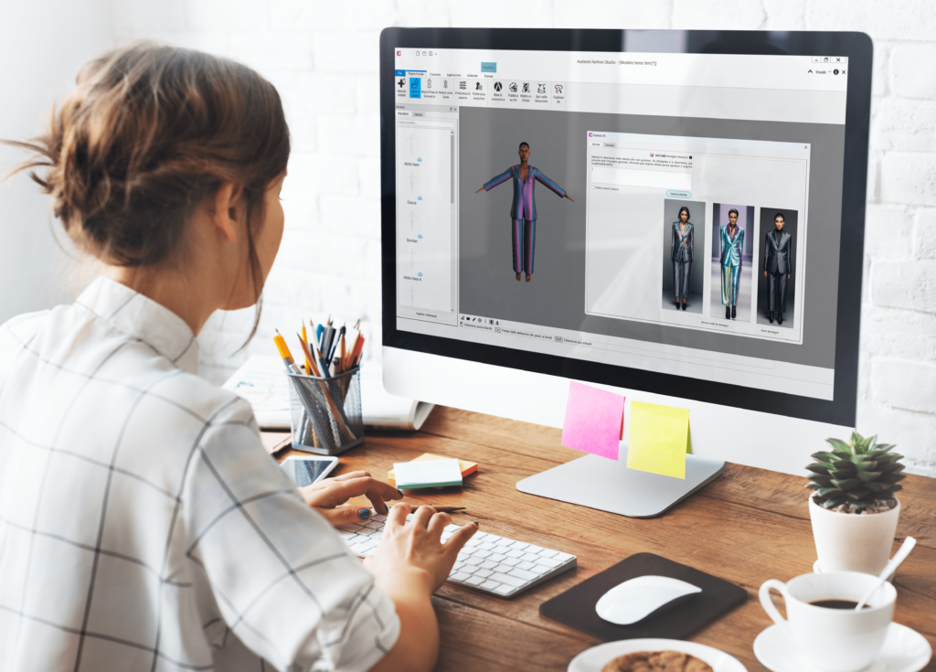
The line separating design from technology in the fashion world has all but vanished. Designers today are expected to grasp how algorithms shape forms, how 3D engines bring movement to life, how data predicts what people want, and how digital platforms shape trends on a massive scale. While creativity remains the driving force, it’s no longer a solitary pursuit. It’s been supercharged, sped up, and guided by technology at every turn
From Craft-Centered to System-Literate Design
For decades, fashion design revolved around manual mastery. Sketching, draping, pattern-making, and textile exploration formed the core of creative training and professional practice. These skills remain fundamental, but the environment in which design decisions are made has changed significantly. Today, many designers begin their creative journey by working with AI-assisted mood generation, digital trend forecasting tools, and 3D garment simulations. Before a physical sample is produced, designs are tested on digital bodies, evaluated for movement and fit, and assessed for potential market response. Technology allows designers to experiment, adjust, and refine ideas at a pace unimaginable just a decade ago.

Leading luxury and sportswear brands such as Balenciaga, Nike, and Louis Vuitton have embedded computational design systems into their creative workflows. In these environments, designers work alongside engineers, data scientists, and digital specialists, fostering a sense of community and shared purpose. Human analysis and cultural awareness remain vital, reinforcing the importance of collaboration. Designers with a grasp of these systems’ functionality are well-positioned. They can exercise informed creative judgment, which helps them feel empowered and confident in their evolving roles, and respond more readily to industry trends. Conversely, those without this understanding may feel disconnected from contemporary processes.
Technology as a Collaborative Creative Force, Not a Substitute
A common misconception is that technology diminishes creativity. However, the opposite is actually true. Artificial intelligence and digital systems are expanding the possibilities for creative work, rather than limiting them. Designers can now quickly explore many silhouette options, simulate how materials behave in different contexts, and identify new aesthetic trends across regions and cultures.
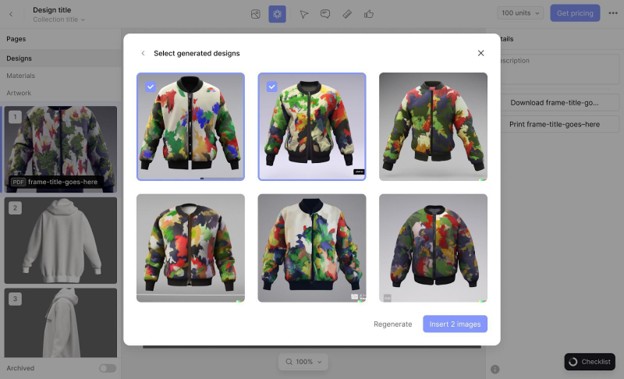
These instruments significantly reduce the trial-and-error inherent in initial prototyping phases, enabling designers to devote their efforts to more abstract, creative work. Rather than allocating time to repetitive technical modifications, designers can prioritize storytelling, brand identity, and emotional influence.
However, technology does not dictate the significance of design elements. Designers continue to bear the responsibility for cultivating cultural relevance, emotional impact, ethical considerations, and narrative consistency. While algorithms can generate potential design options, they lack the capacity to comprehend context, symbolism, or more profound meaning. Technology facilitates exploration, but human discernment provides it with direction and purpose.
The Implications of This Shift for Fashion Education
As the fashion industry transforms, fashion education must adapt to a landscape where digital sampling often supplants physical prototypes, sustainability assessments are conducted before production, and entire collections are virtually tested before their runway presentation.
Designers are now expected to seamlessly navigate the realms of physical, digital, and virtual spaces. This evolution goes beyond simply mastering new software; it necessitates a fundamental shift in perspective. Designers must cultivate a systems-based approach, grasp the nuances of data-driven feedback, and collaborate effectively with both creative and technical teams. Triumph is no longer solely defined by the finished product, but by the intelligence with which the design process is managed, from initial idea to final implementation.
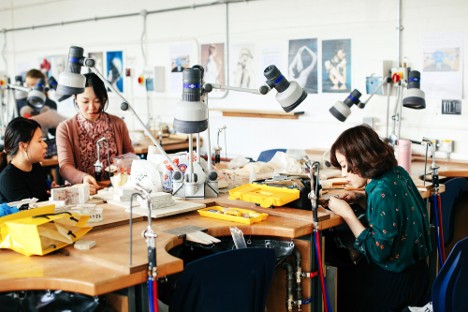
Today’s fashion industry newcomers are assessed not just on their portfolios but also on their ability to learn and apply new technologies through workshops, online courses, and collaborative projects, emphasizing the importance of developing these skills for future success in 2026.
A key feature of fashion in 2026 is its simultaneous presence in various environments. Clothing is no longer just for physical wear; it’s also designed for digital showrooms, social media, gaming, and virtual experiences. Designers must understand how clothing behaves not just on people, but also on screens and avatars. Proportions, textures, and details are perceived differently in digital spaces, requiring new technical skills. Creating fashion that works well in both physical and digital worlds requires both creative vision and technological skill.
The designer of the future is no less artistic. Instead, they are more knowledgeable, adaptable, and strategic in how they use their creativity. The designer’s perspective in 2026 is a mirror of the world, a world molded by algorithms, platforms, and intelligent systems. Those designers who embrace this new landscape don’t sacrifice their creative spirit; they amplify it.
Adopting a technologist’s mindset doesn’t mean forsaking artistry. It’s about grasping the tools that define contemporary creativity, wielding them with purpose, and finding harmony between efficiency and feeling. The future of fashion will be shaped by designers who can navigate complexity, interpret data without losing their innate understanding, and produce work that truly connects in an ever-more digital environment.
Arman Poureisa
Marketing Manager
Raffles Jakarta
References
Ahmed, R. (2025). Fashion industry in the age of generative artificial intelligence. arXiv. https://arxiv.org/abs/2505.17141
BoF Insights. (2025). The state of fashion technology 2025. The Business of Fashion. https://www.businessoffashion.com
Copperpod IP. (2024). Artificial intelligence in the fashion world. https://www.copperpodip.com
Deloitte. (2024). AI-powered design and product innovation. https://www2.deloitte.com
Fujitsu. (2025). Reimagining fashion retail with generative AI. https://global.fujitsu
Gartner. (2024). AI-driven creative industries outlook. https://www.gartner.com
McKinsey & Company. (2025). The future of fashion design and technology. https://www.mckinsey.com
MIT Technology Review. (2024). How AI is transforming creative work. https://www.technologyreview.com
Niyompatama, M. J. (2025). Generative AI in fashion design creation. Journal of Intellectual Property Law & Practice. https://academic.oup.com
Prabhu, U., Sneha, R., & Guruprasad, B. G. (2025). Smart luxury and AI-driven creativity. IGI Global. https://www.igi-global.com
SG Analytics. (2025). AI fashion trends 2025. https://www.sganalytics.com
Sanguigni, F., Morelli, D., & Cucchiara, R. (2025). Multimodal fashion design systems. arXiv. https://arxiv.org/abs/2504.14011
Statista. (2024). Digital transformation in fashion industry. https://www.statista.com
Stylitics. (2025). How brands use AI in fashion design. https://stylitics.com
The Business of Fashion. (2024). Fashion’s new era of product discovery. https://www.businessoffashion.com
Vogue Business. (2025). Designing fashion in the age of AI. https://www.voguebusiness.com
Vogue College. (2025). Innovation and the future of fashion education. https://www.voguecollege.com
WGSN. (2024). Technology-driven fashion design trends. https://www.wgsn.com
World Economic Forum. (2024). The future of creative work. https://www.weforum.org
Zhang, Y., & Li, H. (2025). AI-assisted creativity in design industries. Design Studies. https://www.sciencedirect.com